


Old World vs New World Wines: A Comprehensive Guide
Jan 01, 2018
OLD WORLD vs NEW WORLD WINES: 6 Key Differences
1. LOCATION: Europe vs The Rest
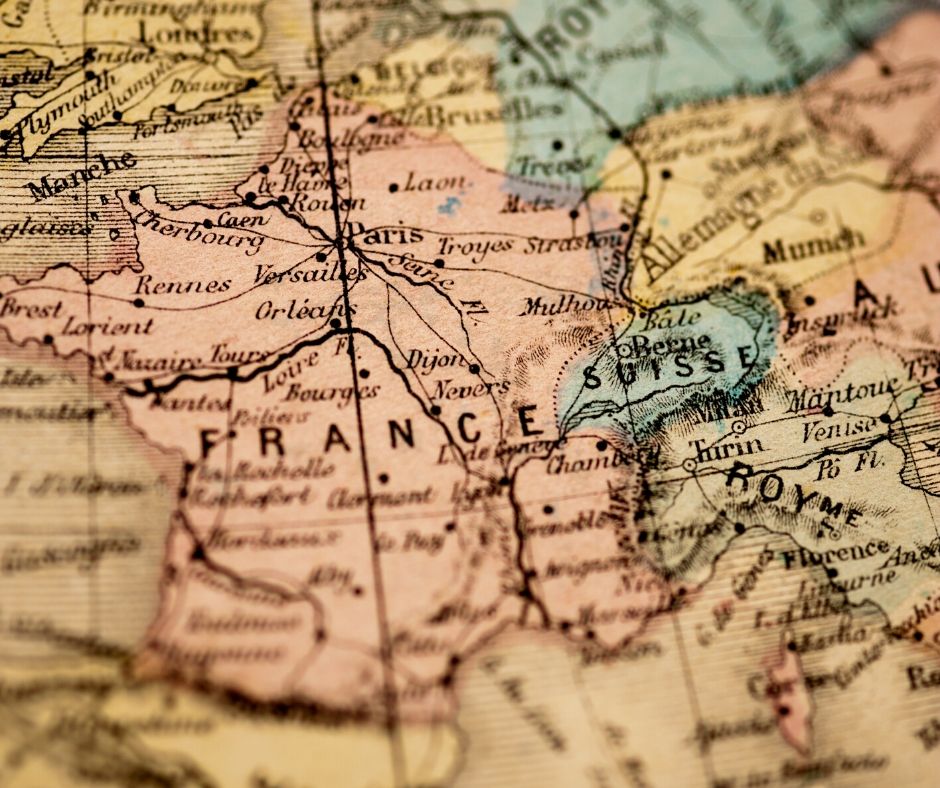
Old World: Europe & Western Asia (France, Italy, Spain, Portugal, Germany, Greece, etc.) - Where winemaking originated thousands of years ago
New World: Americas, Australia, NZ, South Africa, Asia - Regions that adopted winemaking during/after the Age of Discovery
2. REGULATIONS: Strict Rules vs Creative Freedom
Old World: Heavily regulated - controlled grape varieties, yields, methods, alcohol levels. Example: Bordeaux only allows 5 specific grapes
New World: Experimental freedom - winemakers can innovate, test new varieties, and follow market trends
3. PHILOSOPHY: Terroir vs Winemaker
Old World: "Made by the vineyard" - Terroir (soil, climate, terrain) is everything. Vintage variation matters. Wine reflects nature
New World: "Made by the winemaker" - Skill, technology & intervention (irrigation, acidification) create consistent wines regardless of vintage
4. LABELLING: Region vs Grape
Old World: Named by region/appellation (Bordeaux, Chianti, Rioja). Grape varieties rarely shown - you need to know your regions!
New World: Named by grape variety (Cabernet Sauvignon, Chardonnay) - consumer-friendly and clear
5. STYLE: Elegant vs Bold
Old World: Lighter-bodied, higher acidity, lower alcohol, earthy/mineral notes, restrained fruit
New World: Fuller-bodied, lower acidity, higher alcohol, bold ripe fruit flavors
6. CLOSURE: Cork vs Screw Cap
Old World: Traditional corks for aging - allows oxygen exchange, develops complexity over time
New World: Screw caps for freshness - prevents spoilage, maintains crisp flavors, no aging intended
THE BOTTOM LINE: Old World = Tradition, heritage, terroir-driven New World = Innovation, consistency, winemaker-driven Both have their place - taste both and find your preference!