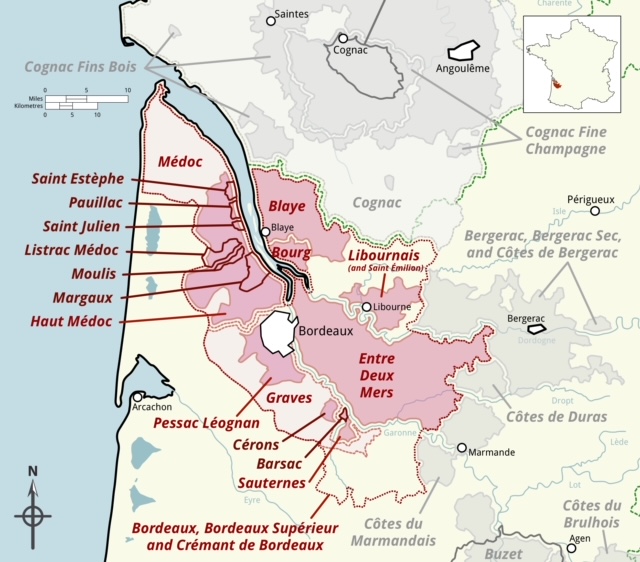
Château Calon-Ségur is one of the defining estates of Saint-Estèphe, the northern Médoc appellation known for structured reds with depth, freshness and a distinctive savoury character.
Classified as a Third Growth in the 1855 Bordeaux Classification, the château is recognised for wines that balance Cabernet Sauvignon’s firm architecture with aromatic complexity and the capacity to evolve over many years. Its vineyards sit on gravel deposits over clay-rich subsoils, a combination that contributes to the estate’s characteristic combination of structure, mineral tension and dark-fruited depth.
The château’s heart emblem, traditionally associated with the Marquis de Ségur, remains one of Bordeaux’s most recognisable wine symbols.

The 2004 vintage offers a classic, more restrained expression of Calon-Ségur rather than the richness and scale of a warmer, more opulent year. Its profile centres on blackcurrant and blackberry, with violet, tobacco, cedar, earth and subtle smoky notes.
The palate is shaped by mature fruit, savoury complexity and a firm but increasingly integrated tannic frame. Critics have described both its appealing texture and its vintage-specific variation, making bottle condition and provenance particularly important for a wine now more than two decades old.
For Bordeaux enthusiasts, Calon-Ségur 2004 is an opportunity to explore mature Saint-Estèphe in a traditional style: less about exuberant sweetness of fruit, more about the interplay of dark berries, herbal nuance, earthy depth and polished development. It is particularly suited to diners who appreciate savoury, food-friendly Bordeaux with the tertiary character that emerges through bottle age.
Vintage Character
The 2004 Bordeaux vintage is generally regarded as classical in style, with Cabernet Sauvignon playing an important role in wines that favour freshness, structure and aromatic detail over the exceptional concentration of top-rated warmer vintages.
Calon-Ségur’s 2004 has been described with notes of cassis, blackberry, violet, leather, earth and smoke, alongside firm yet silky tannins.
Recent retrospective tasting notes suggest that well-preserved bottles can still offer rewarding complexity. Given the age of the wine, however, storage history and individual bottle condition will have a significant impact on its current drinking quality